Driveway Sealing Fort Walton Beach
Protect your driveway from Florida's heat, UV exposure, and salt air — extend its life and avoid costly repairs with professional sealcoating from T & M Handyman Services.
Florida's Climate Breaks Down Asphalt Faster Than Most States
The Florida Panhandle is hard on driveways. In Okaloosa and Walton County, asphalt surfaces face a combination of intense UV radiation, summer heat that regularly exceeds 95°F, salt air drifting in from the Gulf, and frequent heavy rain cycles that force water into every surface crack. Each of these factors degrades asphalt on its own. Together, they accelerate the breakdown faster than almost any other climate in the country.
Leave an asphalt driveway unsealed through two or three Florida summers, and the signs become obvious: the surface fades from deep black to a washed-out gray, hairline cracks multiply, water infiltration softens the base layer, and oxidation makes the surface brittle. By the time most homeowners notice visible damage, the repair cost has already grown.
At T & M Handyman Services L.L.C., we have spent 10 years protecting driveways across Fort Walton Beach and the surrounding communities. As a family-owned operation, we know the local conditions that make professional asphalt driveway sealing in Fort Walton Beach a smart investment rather than a luxury. Our residential home maintenance services are built around the specific demands of Gulf Coast properties.
Florida Asphalt Degrades Faster Without Sealing
Sealing your asphalt driveway in Florida creates a protective barrier that slows oxidation, resists UV damage, and blocks moisture from entering the surface. Without it, Florida's heat, salt air, and rain cycles break down the pavement in two to three years. Sealing extends driveway life and reduces long-term repair costs.
Sealcoating works by bonding to the asphalt surface and forming a barrier that resists UV degradation, repels moisture, and slows oxidation. It does not fill deep structural damage, but it stops the surface from deteriorating further — giving you more years before a full replacement is needed. See all of our residential home maintenance services for more ways we protect your property.
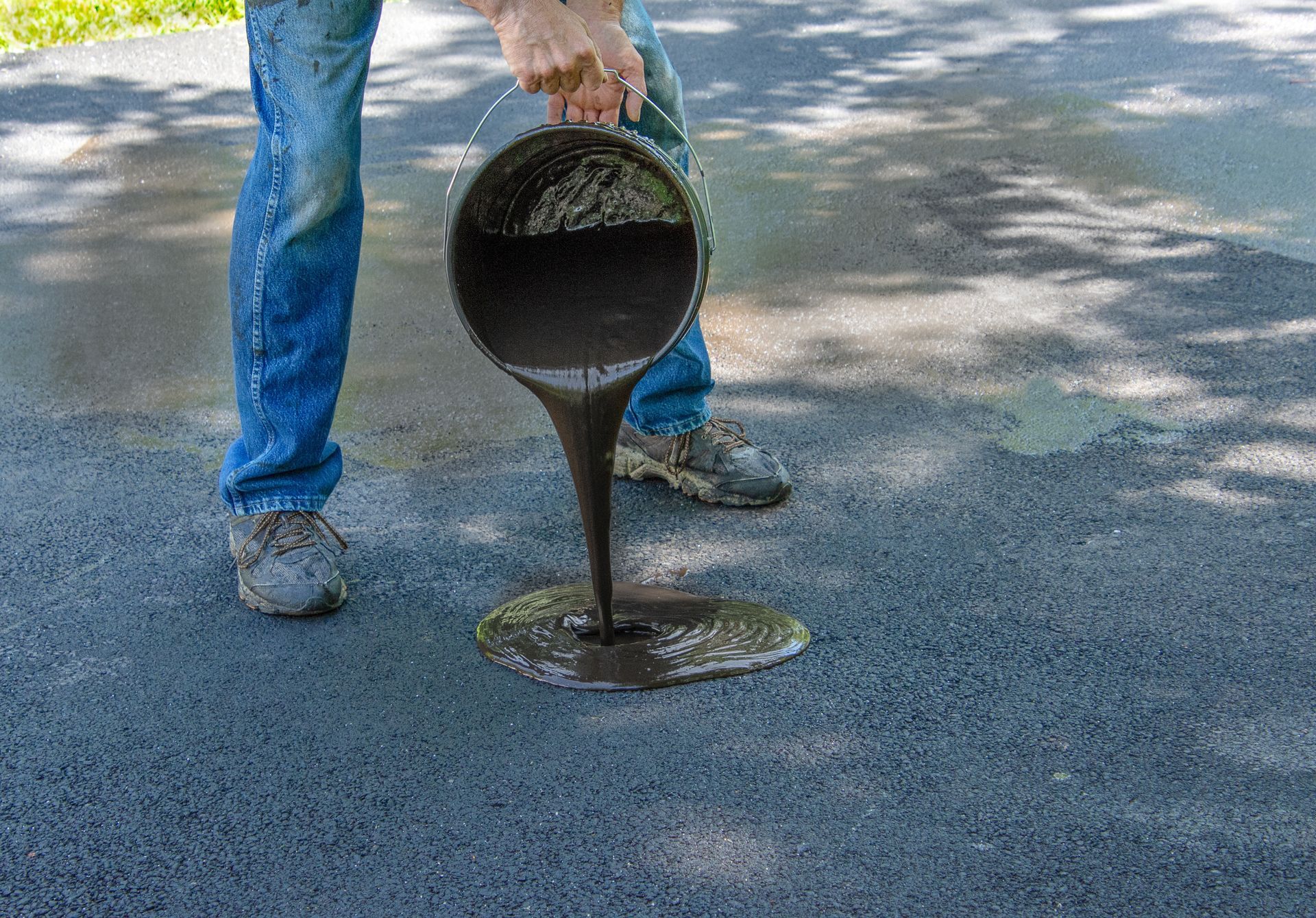
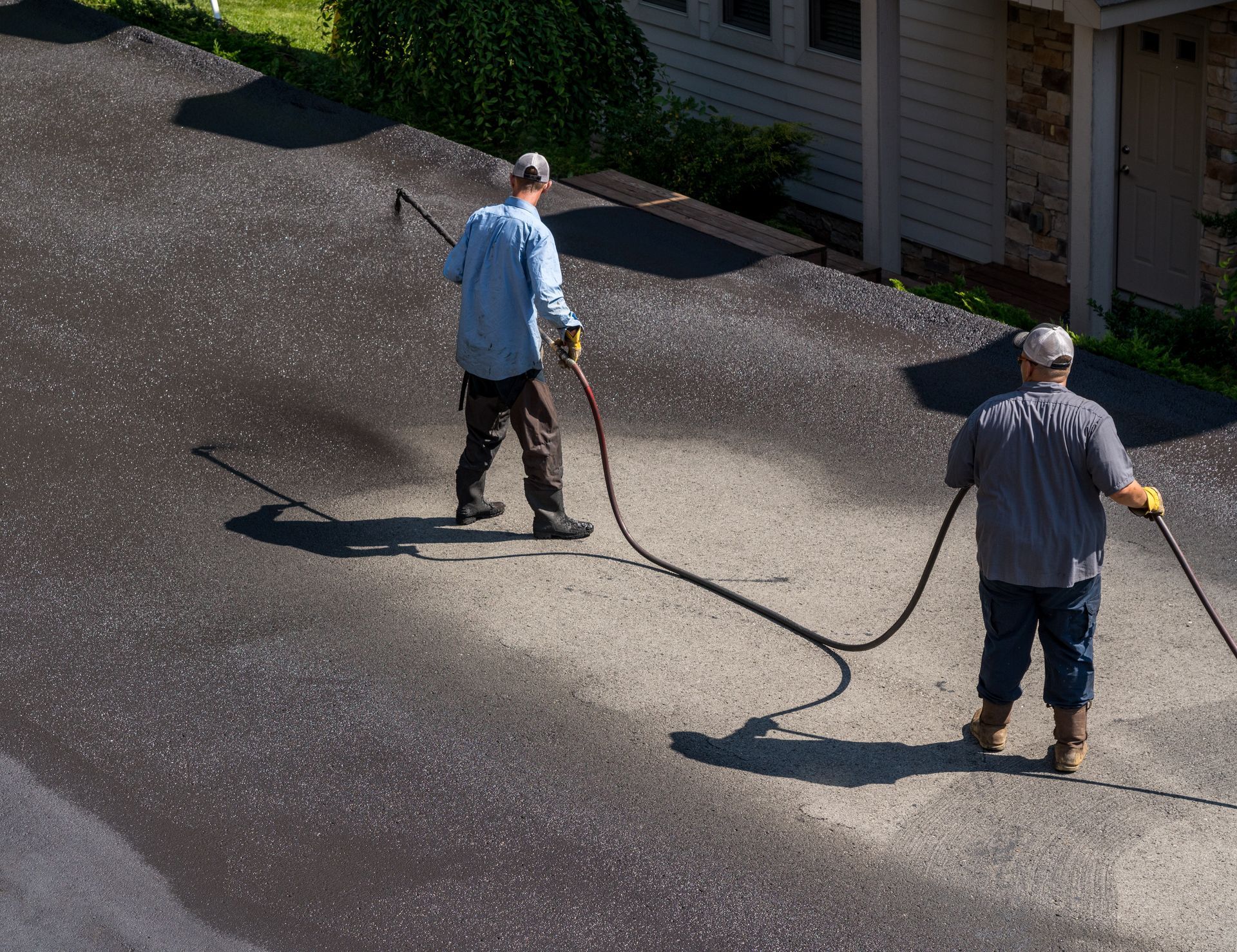
The Driveway Sealing Process T & M Handyman Services Provides
Here is exactly what happens during a professional driveway sealing visit from our team—so you know what to expect before we arrive and after we leave.
Step 1: Surface Cleaning and Debris Removal
Before any product touches your driveway, we clear the surface completely. We use a commercial blower or pressure washer to remove loose debris, dirt, oil stains, and vegetation that has grown into existing cracks. No sealcoat bonds properly to a dirty surface, so we take this step seriously. We do not move forward until the driveway is clean and dry.
Step 2: Crack Filling and Surface Repair
We fill visible cracks and address minor surface damage with a crack filler before sealing begins. This step matters because sealcoat applied over open cracks bridges the gap rather than bonding to it—water keeps finding its way in, the sealant lifts, and the crack gets worse. Taking the time to fill cracks first gives the sealcoat a solid, unbroken surface to grip.
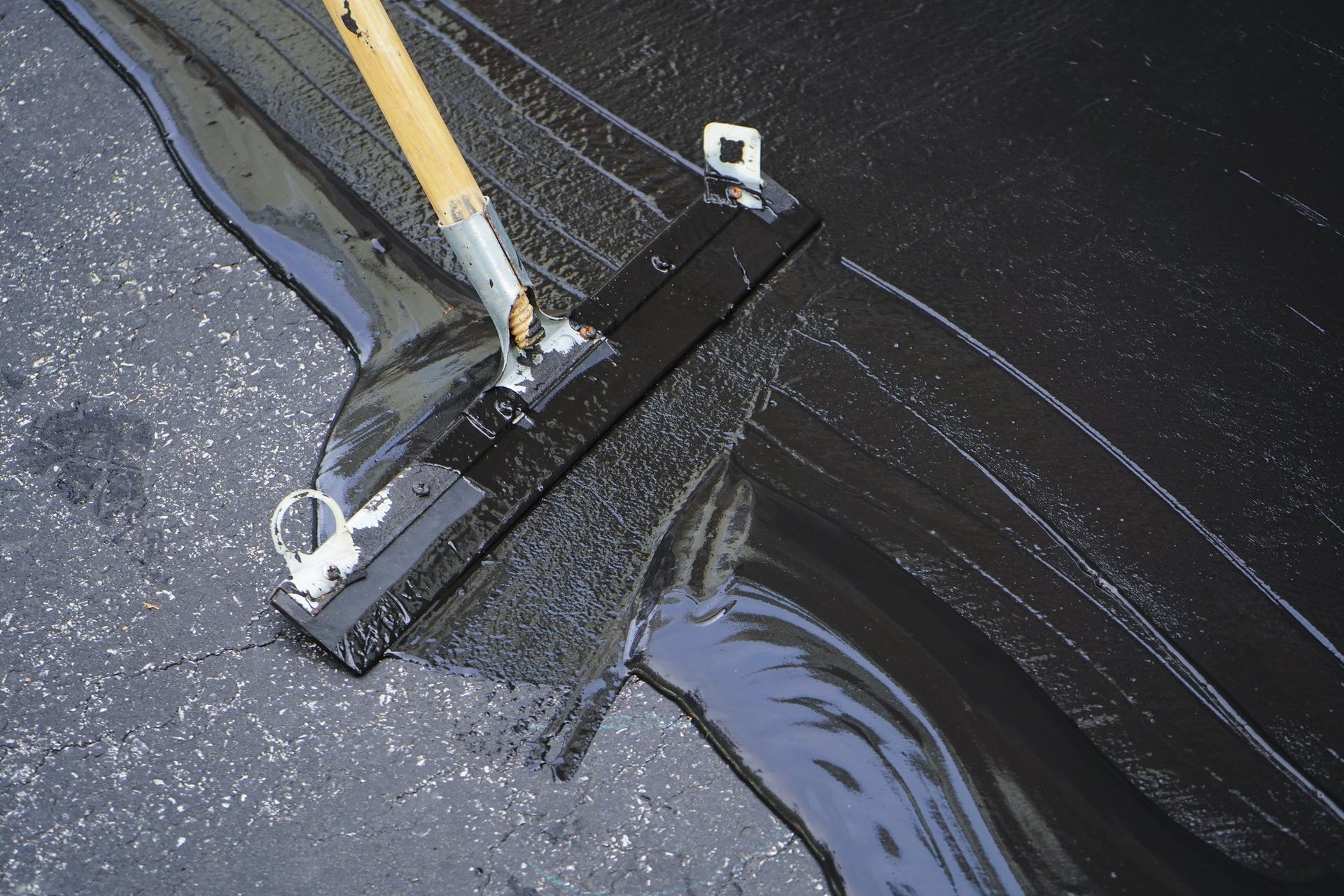
Step 3: Sealcoat Application
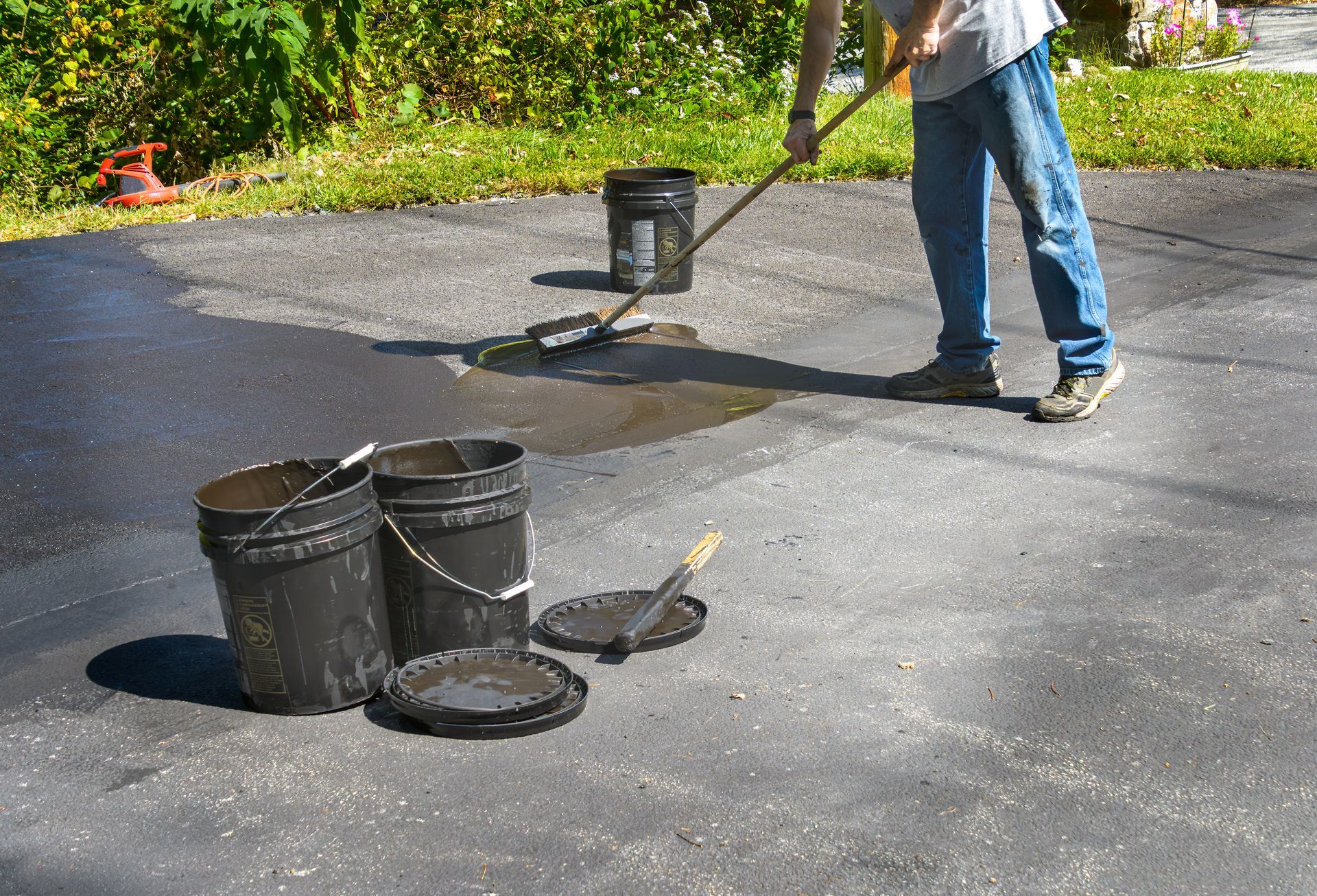
We apply the sealcoat using a long-handled squeegee or brush, working in overlapping passes across the full driveway surface. Coverage technique matters: thin spots cure unevenly and wear faster, while thick spots can stay tacky for too long. We maintain consistent coat thickness throughout to give you a uniform appearance and a durable protective layer that lasts.
Step 4: Cure Time and Driveway Reopening
After application, we let the sealcoat cure before foot or vehicle traffic returns to the surface. Florida's heat and direct sun speed up the drying process, but an overnight cure is our standard practice. Most driveways can handle foot traffic within 24 hours and vehicles within 48 to 72 hours. We let you know the recommended window before we leave the site.
Driveway Sealing Across Fort Walton Beach, Destin, and the Emerald Coast
We provide driveway sealing services across Fort Walton Beach, Destin, Miramar Beach, Santa Rosa Beach, and the surrounding communities throughout Okaloosa and Walton County. If you are in our service area—within 20 miles—your free estimate costs you nothing. Contact us, tell us about your driveway, and we will schedule a visit at your convenience. The estimate is straightforward, low-pressure, and no-obligation.
T & M Handyman Services has been family-owned and locally operated for 10 years. We live and work in this community, and every job we take on reflects that. When you call us, you talk to us directly—not a call center, not a subcontractor. That personal accountability is something you feel from the first conversation to the finished driveway.
Driveway Sealing Questions Answered
How long does driveway sealcoating last in Florida?
Sealcoating on a Florida driveway typically lasts two to three years before reapplication is needed. Florida's intense UV exposure, heat, and heavy rain cycles break down the protective layer faster than in cooler climates. Annual inspection helps you catch early signs of wear before cracks and water damage set in.
When is the right time to reseal an asphalt driveway?
Reseal your asphalt driveway when the surface starts to fade from black to gray, hairline cracks appear, or water no longer beads on the surface. In the Fort Walton Beach area, most driveways benefit from resealing every two to three years, ideally in dry weather when temperatures are above 50°F.
How long before I can use my driveway after sealing?
Most residential driveways can handle foot traffic within 24 hours and vehicle traffic within 48 to 72 hours after sealcoating. Florida's heat and direct sun help the sealant cure faster, but we recommend waiting the full 48 hours for vehicles to avoid scuffing the fresh surface before it fully hardens.
Do you repair cracks before applying the sealcoat?
Yes. Crack filling is a standard part of our driveway sealing process. We fill visible cracks and surface damage before applying the sealcoat, because sealing over unfilled cracks allows water to continue entering and expanding beneath the surface. Skipping this step shortens the life of the sealant significantly.
Is driveway sealing worth it for Florida homes near the Gulf?
Driveway sealing is one of the most cost-effective protective measures for coastal Florida homes. Salt air, UV rays, and frequent rain cycles accelerate asphalt breakdown faster than inland climates. A sealed driveway resists this damage, stays cleaner, and extends the pavement's life by several years compared to an unsealed surface.
Protect Your Driveway Before the Next Florida Summer.
Built on Trust. Finished Right.
We offer free estimates within 20 miles—call or send a message, and we'll get back to you fast.